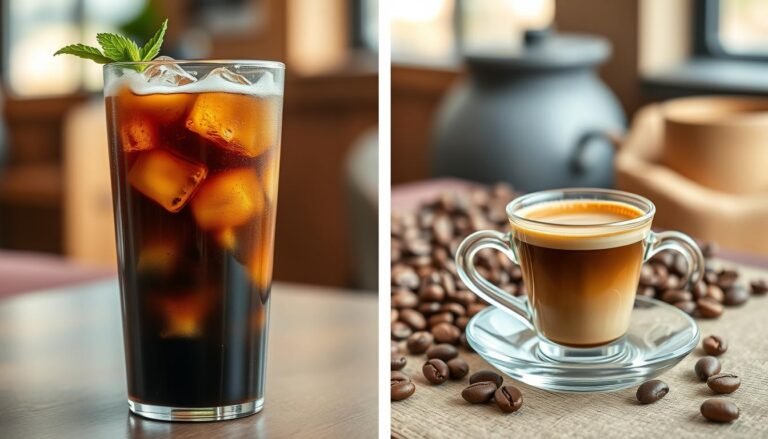
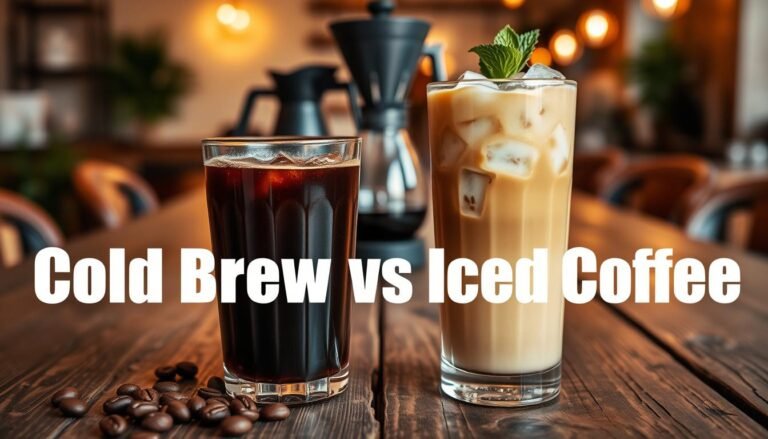
Can Cold Brew Coffee Cause Anxiety
We open with a clear question: might a smooth, long-steeped drink trigger anxiety in some of us? Our answer depends on brew time, caffeine variability, and individual sensitivity.
Extraction by time rather than heat gives a sweeter, less acidic flavor, yet long steeping can raise caffeine content. That variability means one cup may feel gentle while another prompts jitters for sensitive people.
Genetics matter too. The CYP1A2 enzyme alters how quickly we clear caffeine, so tolerance differs across the population. Public guidance usually caps daily caffeine near 400 mg, and exceeding that in a short span can amplify anxious sensations.
We’ll explore practical fixes later: shorter steep times, dilution, portion control, and timing. For now, remember that perceived smoothness does not guarantee low stimulation; personalization helps us balance enjoyment and health.
Key takeaway: caffeine dose and individual metabolism shape whether a cold-brewed drink feels calming or anxiety-inducing.
Cold brew basics: how it’s made, how it differs from hot coffee, and why it tastes smoother
We start by unpacking how low-temperature extraction creates that familiar smooth profile.
Two common methods dominate our kitchens and cafés. Immersion means steeping grounds in cold water for up to 24 hours. Slow-drip uses a steady drip over at least five hours. Each method spans long hours and gives different clarity and strength.

Immersion versus slow-drip
Immersion is simple and forgiving. It yields a full-bodied concentrate that needs dilution. Slow-drip offers a cleaner cup but takes more setup and careful drip rate control. Both methods depend on water-to-coffee ratio and grind size to set strength and extraction time.
Heat versus time
Hot extraction pulls compounds quickly. That raises polyphenols and caffeine per minute. Extended low-temperature extraction catches up, so longer steep times can match or exceed hot coffee in total caffeine levels.
| Method | Typical Hours | Convenience | Typical 6 oz caffeine (before dilution) |
|---|---|---|---|
| Immersion | 12–24 hours | Easy, batch-friendly | 100–200 mg |
| Slow-drip | 5–12 hours | Clean, precise | 80–160 mg |
| Hot drip (for context) | Minutes | Fast, consistent | ~80–120 mg per 8 oz |
Low-temperature extraction reduces perceived acidity and bitterness. That makes flavor taste sweeter and smoother. Roast level changes taste, but caffeine levels depend more on ratio, grind, and time.
What caffeine does to our nervous system and why jitters feel like anxiety
Understanding how a stimulant interacts with the nervous system helps explain why some of us feel shaky or wired. Caffeine boosts alertness and short-term energy by stimulating the central system, but that same action can trigger stress-like responses.

Short-term side effects
Caffeine often raises heart rate and can produce jitters, tremors, restlessness, and stomach sensitivity. These side effects may look and feel like anxiety because the body activates the same fight-or-flight pathways.
- Increased heart rate and a racing sensation.
- Visible tremors or shakiness and general restlessness.
- Stomach upset in people with sensitive digestion.
Sleep disruption and next-day effects
Blood caffeine can linger longer in slow metabolizers, prolonging stimulation into the evening. Late intake can reduce sleep quality, and poor rest often increases anxiety the following day.
| Issue | Typical timing | Impact |
|---|---|---|
| Immediate symptoms | 0–2 hours | Jitters, raised heart rate |
| Prolonged effects | 4–12 hours | Lingering edginess, sleep disruption |
| Next-day risk | After poor sleep | Increased anxiety, low tolerance |
We find that moderating dose, sipping slowly, and shifting intake earlier in the day reduces these risks while preserving alertness and focus.
Can Cold Brew Coffee Cause Anxiety
A smoother sip doesn’t always mean a gentler hit to our nerves. A mellow-tasting cold brew can hide high caffeine levels, and that masking raises the risk of anxiety for some people.
Strong ratios, long steep times, or undiluted concentrate push caffeine content above typical drip levels. The amount we drink and how fast we consume it shape immediate effects. Small servings spread through the day help keep total intake within safe ranges.
Practical steps we use to lower risk:
- Start with smaller cups and note how we feel after one serving.
- Dilute concentrate or ask how a café prepares their batch to gauge potency.
- Space servings and limit total consumption to stay near recommended daily guidance.
By watching portions, dilution, and timing, we can enjoy our coffee while reducing acute stimulation. Simple tweaks—shorter steeping, added water or milk, or fewer cups—often cut symptoms without giving up flavor.

Why some of us are more sensitive: genetics, tolerance, and individual caffeine metabolism
Genetics and daily habits shape why the same drink affects each of us so differently. The liver enzyme CYP1A2 handles roughly 95% of caffeine breakdown, and variants in that gene set our metabolic pace.
Fast versus slow metabolizers
Fast metabolizers clear caffeine quickly and often show lower blood levels even when they drink more. Slow metabolizers keep higher levels for longer and may feel stronger, longer-lasting effects.
| Feature | Fast metabolizers | Slow metabolizers |
|---|---|---|
| Typical blood caffeine | Lower after same dose | Higher and prolonged |
| Subjective effect | Shorter stimulation | Stronger, longer stimulation |
| Risk | Lower short-term risk | Higher chance of jitteriness and anxiety |
Tolerance, health, and daily factors
Tolerance develops with repeated drinking coffee and can blunt some sensations. Still, tolerance does not erase sensitivity for everyone.
Other factors matter too: medications, liver health, sleep debt, and cardiovascular responsiveness affect heart rate and nervous system activation. Those changes alter perceived intensity on any given day.
- Know your typical reaction and track servings and time of day.
- Watch for raised heart rate and persistent sleep disruption as warning signs.
- Personalize portion size rather than copying others in our circle.
How brewing choices change caffeine levels in cold brew
Small changes during brewing shift how much stimulation ends up in each serving.
Beans, grind size, ratios, and steeping time
Selecting beans is our first control. Robusta carries roughly twice the caffeine of Arabica, so choosing Arabica lowers baseline content while keeping flavor familiar.
Finer grind increases extraction; coarser grounds slow it. Water-to-coffee ratios matter too: a 1:4 mix makes a strong concentrate, while 1:8 yields a milder extract.
Typical steep time runs 12–24 hours. Longer hours pull more caffeine and soluble compounds. Shortening time or using a coarser grind reduces caffeine levels without wrecking taste.
From concentrate to cup: dilution and serving size
- Concentrate often holds ~100–200 mg per 6 oz before dilution.
- Diluting a 1:4 concentrate to an 8 oz cup can bring caffeine nearer to typical drip ranges (~80–120 mg per 8 oz).
- Use consistent recipes and log cups so our daily totals stay predictable.
| Factor | Effect on caffeine | Practical tip |
|---|---|---|
| Bean type | Robusta higher, Arabica lower | Choose Arabica for less per cup |
| Grind size | Finer = more extraction | Use medium-coarse to limit pull |
| Ratio & time | 1:4 & 12–24h = strong; 1:8 or shorter time = milder | Adjust ratio first, then time |
Practical ways we can lower anxiety from cold brew without giving it up
We want practical steps that cut stimulation while keeping flavor and routine. Small, consistent changes often have the biggest payoff for jittery or restless days.
Limit intake, sip slower, and shift timing
Start with smaller portions and sip more slowly to blunt spikes in energy and reduce immediate jitters and restlessness.
Move most drinking coffee to the morning so caffeine clears before bedtime and does not degrade sleep.
Dial down stimulant load with simple brewing tweaks
- Shorten steep time, use Arabica beans or decaf, or dilute concentrate with water to lower caffeine without losing taste.
- Space servings and pair drinks with food to ease stomach upset and moderate absorption for sensitive caffeine responders.
- Track daily intake and treat concentrates as stronger servings so totals stay below guidance like the FDA limit near 400 mg.
| Tweak | Effect | Practical tip |
|---|---|---|
| Shorter steep | Less extraction of caffeine | Try 8–12 hours instead of 24 |
| Dilution with water | Lower per-cup dose | Mix concentrate 1:1 or 1:2 for a milder cup |
| Use decaf/Arabica | Reduced stimulant | Blend decaf with regular for gradual change |
Watch for early side effects and adjust the next cup or your brew. That feedback loop protects sleep and calms the nervous system while letting us enjoy our drink.
Putting cold brew in context: benefits, risks, and finding our personal tolerance
Framing population data alongside personal response gives clearer guidance for daily consumption.
Large cohorts link both regular and decaf with better long-term health, yet FDA guidance keeps daily caffeine near 400 mg. We note that caffeine content varies by recipe: drip runs about 80–120 mg per 8 oz, espresso and concentrate differ, and concentrate can hold 100–200 mg per 6 oz before dilution.
We balance benefits and risks by setting a practical amount and spreading cups across the day. Choose predictable recipes, dilute concentrates, and prefer morning intake. Watch heart rate, subtle symptoms, and sleep. Others may tolerate more, but our genetics and metabolism make personal tracking the best path to steady energy and fewer unwanted effects.