Cold Brew vs Iced Coffee
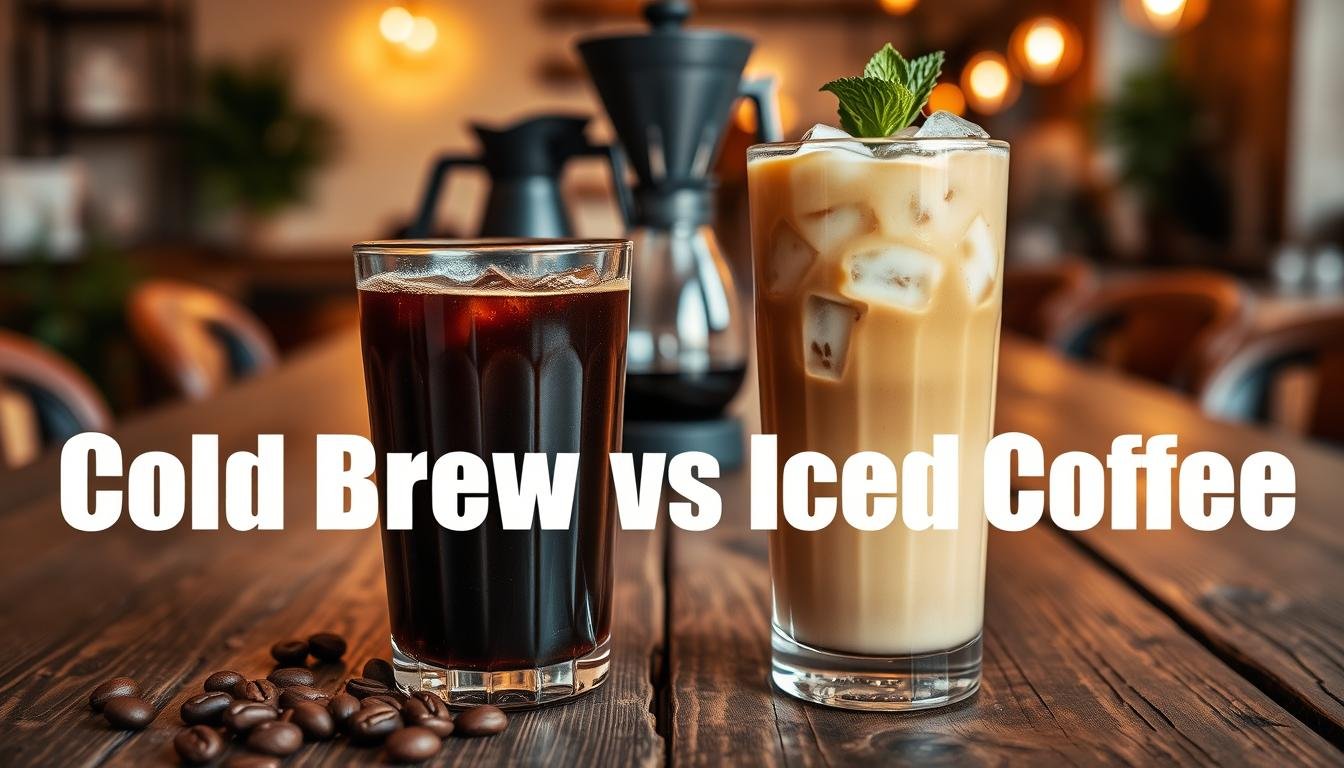
We open with a clear question: how do two popular chilled cups differ in method and taste? One uses a long steep in cold water, and the other starts as hot coffee that we chill fast. That simple split drives most key differences.
We outline the process and what people notice in our cup. Slow steeping yields a smooth, lower-acid profile, while rapid cooling locks in bright, complex notes. Extraction time, water temperature, and grind size shape body and flavor.
Practical matters matter too. We cover ratios, storage, and how equipment like a French press or pour-over makes great results at home. Later, we give step-by-step methods and tips to help you pick the right approach for your routine and taste.
Cold Brew vs Iced Coffee: What We Mean by Each Method
To choose well, we first describe how each chilled brewing technique works and why it matters.
Definition: slow steep method
We define cold brew as made steeping coarse ground coffee in cold water for at least 12 hours, often 12–24. The long contact time extracts oils and sugars gently, creating a concentrate we usually dilute before serving.
Definition: hot-brewed then chilled
We define iced coffee as hot-brewed coffee that is quickly chilled over ice. With flash-brew or Japanese-style brewing, we cut brew water, pour over ice, and let melt balance the cup so bright aromatics stay vivid.
| Attribute | Slow Steep | Hot-Brew Over Ice |
|---|---|---|
| Grind | Coarse ground coffee | Standard drip/pour-over grind |
| Contact Time | 12–24 hours in cold water | Minutes; brewed with hot water then chilled |
| Typical Serve | Concentrate diluted to taste | Ready to drink after cooling |
| Flavor Outcome | Smoother, lower acidity | Brighter, more aromatic |
The core difference is simple: no heat in the slow method versus heat-driven extraction for iced coffee. Both start with the same coffee grounds, but heat changes what we pull from the beans and how the final cup feels.
Brewing Process and Time: Cold Water Steeping vs Hot Brew Over Ice
We lay out the timed steps that shape each chilled cup, from long cold contact to rapid hot extraction.
For the slow steep method we use a coarse grind and a strong ratio near 1:5 (coffee to water). A practical recipe is 250 g ground coffee to 1.25 L cold, filtered water. After a 30-second wetting or bloom, let the mix steep 12–15 hours at room temperature or slightly longer in the refrigerator.
After the period, lift the filter and drain. Dilute the cold brew concentrate 1:2 with cold water to serve and adjust to taste. Store sealed in the fridge up to ten days; clean gear well to avoid stale oils.
Flash-brew redoubles hot extraction. If you normally use 1:16, halve brew water to 1:8 and make the rest as ice in the server. Brew hot over that ice so melting brings the cup to balance. Bottle and refrigerate immediately to slow oxidation and keep bright notes.
| Step | Slow Steep | Flash-Brew |
|---|---|---|
| Grind | Coarse | Standard drip |
| Contact | 12–15 hours | Minutes, hot water over ice |
| Serve | Dilute concentrate 1:2 | Ready after melting, chill fast |
- Stir to fully saturate grounds and avoid channeling.
- Adjust steep time if brewing in a cool room or fridge.
- Keep concentrate sealed and cold to preserve freshness.
Flavor, Acidity, and Mouthfeel: How Extraction Shapes Taste
Extraction decides more than strength; it sculpts the flavor and feel we notice in a chilled drink.

With no heat, the slow method yields a smoother mouthfeel, heavier body, and lower perceived acidity. Notes tend toward chocolate, caramel, and roasted nuts without the bitter, stewed edge even after long contact.
When we flash-brew hot and chill fast, the cup stays bright and clean. Rapid cooling preserves nuanced aromatics and lively acidity that highlight citrus, berry, or floral flavors from many East African lots.
| Attribute | Smoother Method | Hot-then-Chill |
|---|---|---|
| Acidity | Lower, rounder | Brighter, nuanced |
| Body | Heavy, velvety | Light to medium, crisp |
| Typical Notes | Chocolate, caramel, hazelnut | Fruit, floral, winey |
Origin and roast steer these outcomes: Brazil and Costa Rica deliver body and caramel notes ideal for cold brew coffee, while Ethiopia and Kenya shine in iced coffee. Lighter roast preserves acidity and aromatics; medium roast adds depth and sweetness.
Dilution shifts sweetness, perceived acidity, and body, so we recommend side-by-side tasting of the same beans to hear what each brewing path reveals. Want a velvety, chocolatey cup? Choose the slower method. Want a sparkling, aromatic cup? Pick the flash-brew approach.
Caffeine Content and Key Differences That Matter
A cup’s kick depends on dose, grind, and how long grounds touch water.
We control most of the caffeine content through three variables: water temperature, grind surface area, and contact time. Heat speeds extraction. Longer time and a higher dose can match or exceed that speed even when we use cold methods.
Time, temperature, and grind: variables that influence extraction
Higher temperature pulls flavors and caffeine faster. A fine grind exposes more surface area and pulls more in minutes. A coarse grind needs hours to extract the same compounds.
That means a strong concentrate made with long steep time can be surprisingly potent. Hot coffee or hot water are useful but not required for extraction when we extend contact time.
Does concentrate pack more punch? Why concentrate can feel stronger
Concentrate often uses a higher coffee-to-water ratio. We dilute to taste, but small dilution keeps more caffeine per ounce. Smooth taste does not equal low caffeine.
Typical serving habits matter. Iced coffee is often brewed at standard strength and chilled. Cold brew coffee is commonly prepared as concentrate and diluted, which can raise caffeine content per serving if we keep the dilution light.

| Variable | Effect on caffeine | Typical control |
|---|---|---|
| Temperature | Faster extraction with heat | Hot brew vs extended cold steep |
| Grind size | Finer = more surface, more extraction | Adjust grind for target strength |
| Contact time | Longer time increases extraction | Minutes for hot, hours for cold concentrate |
| Ratio (dose) | Higher dose raises caffeine per ounce | Concentrate or standard brew |
Bottom line: the recipe defines caffeine more than the label. We can dial content by changing dose, grind, and time. Be mindful of serving size and timing when using strong concentrates.
How We Brew at Home in the United States
At home we focus on simple, repeatable steps that make a great chilled cup every time. The two main paths use a long steep or a fast hot brew poured over ice. We keep recipes tight so results stay consistent across batches.
Cold steep step-by-step
We weigh 250 g of beans and grind coarse. Add a small splash of cold water for a 30-second bloom, then pour the remaining 1.25 L and stir to fully submerge the grounds.
Steep 12–15 hours at room temperature or refrigerated. Strain, then dilute the concentrate 1:2 with cold water and adjust to taste. Store sealed up to ten days and clean gear to remove old oils.
Flash-brew iced method
For a hot-then-chill cup we use a 1:8 hot-water ratio and reserve an equal weight of ice in the server. Brew directly over that ice so melting balances the cup.
Bottle and refrigerate immediately to slow oxidation and keep bright aromatics.
Gear and serving tips
We favor a French press or a dedicated cold maker for easy straining, and a pour-over when we want clarity. Use coffee ice cubes to avoid dilution in tall glasses.
Label containers with the brew date, keep them sealed, and sanitize equipment between batches.
| Step | Cold steep | Flash-brew over ice |
|---|---|---|
| Ratio | 250 g : 1.25 L (1:5) | 1:8 hot water, 1:8 as ice |
| Grind | Coarse ground | Standard drip grind |
| Contact time | 12–15 hours | Minutes; brewed hot over ice |
| Storage | Seal, refrigerate up to 10 days | Bottle and chill immediately |
Choosing Your Cup Today: Which Method Fits Your Taste and Routine
Match your schedule and flavor goals to find the style that suits your palate today. We recap the key differences so people can choose quickly: cold brew coffee for smoothness and convenience, iced coffee for bright, immediate flavors.
If you want lively aromatics and sparkling acidity, pick the hot-then-chill method. If you favor a velvety, chocolate-leaning cup with lower acidity, make a batch of cold brew coffee to pour all week.
Both paths can deliver plenty of caffeine. Adjust dose, time, water, and dilution to control strength. Try the same beans both ways to compare flavors side-by-side and make the process part of your routine.
Measure ingredients, keep gear clean, and experiment: the best chilled cup is the one you enjoy most.