Cold Brew Coffee Taste Explained
We introduce what this method is and why it matters for home makers. In simple terms, it means steeping grounds in cool water for many hours, often in a French press, then filtering. That long, low-temperature steep changes extraction and gives us a smoother profile with gentler acidity.
We note common ratios: concentrates range from about 1:4 to 1:8 and ready-to-drink mixes sit nearer 1:11. Dilution determines strength more than the brewing label, so the myth of always stronger drinks is misleading.
We preview what follows: tasting notes and sensory cues, simple science on acidity and extraction, practical brewing process tips, storage guidance, and side-by-side differences with iced and hot methods. Our aim is clear, evidence-based steps you can use with basic gear to get reliable results at home.
What cold brew really tastes like today
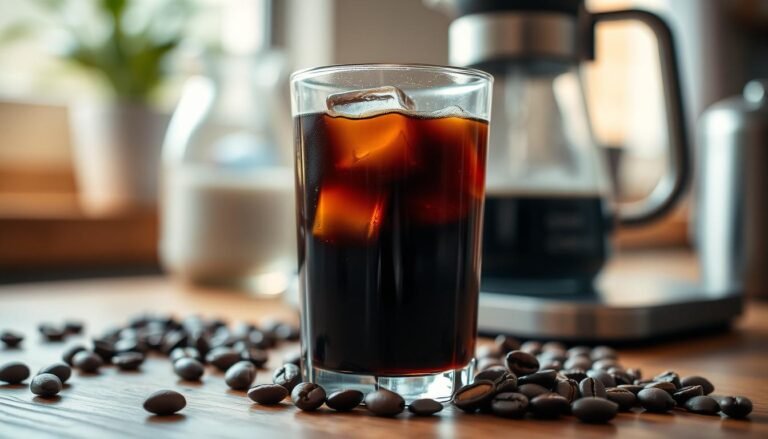
When we taste a cool extraction side-by-side with hot methods, a clear pattern of chocolate-forward notes and a creamy mouthfeel emerges. The profile feels smooth and often gives the impression of being less acidic, even when lab pH is similar.
Smooth, low-acid chocolatey notes and creamy body
Our tasting found darker, “brown” flavors—cocoa, nuts, and caramel—are more prominent. Volatile aromatics are softer because fewer heat-sensitive compounds extract at low temperature.
Oils and heavier solubles build a thicker, coating texture. Many people describe the cup as sweet, refreshing, and easy to drink without added sugar.
- Modern cold brew profile: smooth, chocolate-leaning, and creamier on the tongue.
- Lower extraction of volatile aromatics shifts overall coffee flavor toward cocoa and caramel notes.
- Individual coffees still show nuance—brightness or subtle fruit can sit under the chocolate core.
Storage and time introduce mild oxidation, but those notes are often masked by dominant dark flavors. We recommend side-by-side tasting with hot or flash-chilled methods to hear the differences in aromatics, sweetness, and body.
Cold Brew Coffee Taste Explained
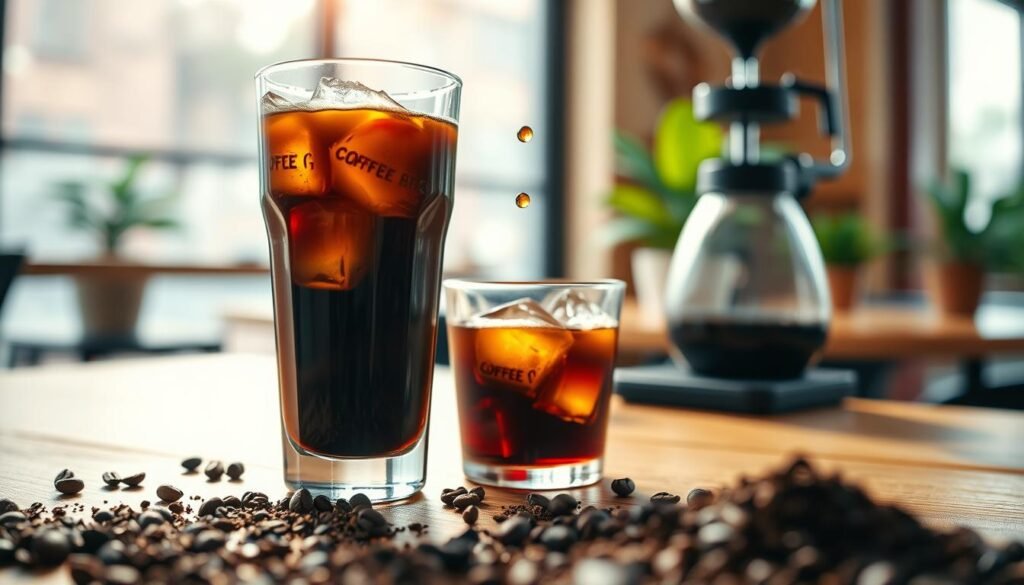
We focus on how slow steeping reshapes what ends up in your cup. Time becomes the active agent in our process, slowly moving solubles from grounds into water instead of relying on heat.
How time replaces temperature in extraction
Hot water pulls oils, sugars, acids, and many compounds in minutes. By contrast, cold water needs 8–24 hours to extract similar classes, but the balance shifts toward heavier solubles and less volatile chemistry.
pH vs titratable acidity: why it tastes less acidic
Measured pH often matches between methods, yet perceived sharpness tracks with titratable acidity. Our slower extraction brings fewer free acids, so the brew feels smoother even when lab pH looks similar to coffee brewed hot.
Volatile aromas, oils, and oxidation at cooler temps
Lower temperature reduces volatile aromatics, which mutes bright notes and highlights body. Oxidation moves more slowly when cold, but long steep and storage times let some oxidative flavors develop.
- Grind size matters less for long immersion; prioritize filtration and clarity.
- Extend time for body and sweetness; accept reduced aroma and complexity.
- Adjust agitation and dilution to balance oils, acids, and perceived sweetness.
| Driver | Hot water | Cold water |
|---|---|---|
| Extraction speed | Minutes | 8–24 hours |
| Compound diversity | High | Reduced |
| Perceived acidity | Higher | Lower |
How we adjust cold brew flavor at home
Small adjustments in ratio, grind, and time let us control body and clarity. We pick a starting recipe, then tweak one variable at a time to see real change.
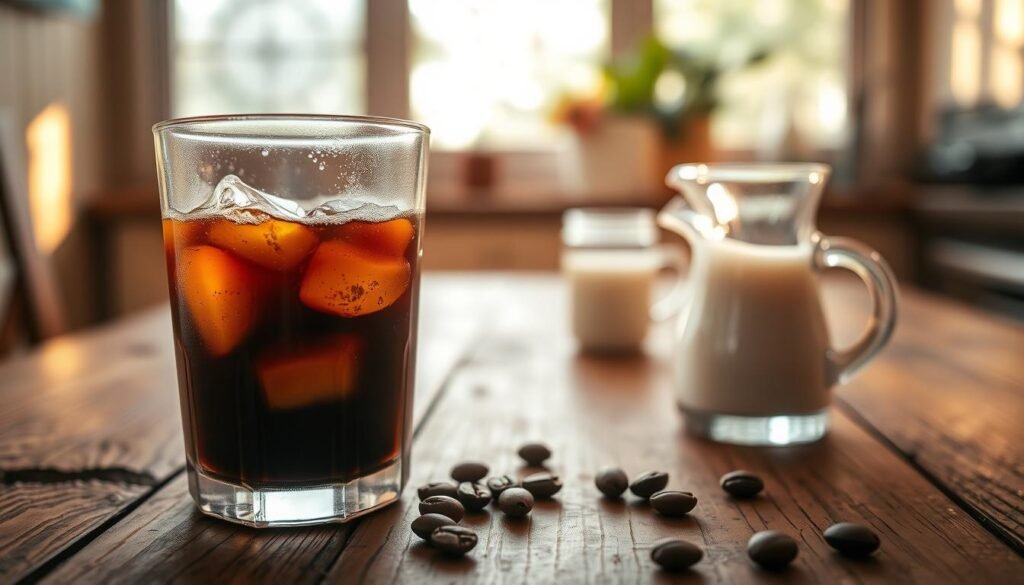
Coffee-to-water ratio
For concentrate we use 1:4–1:8. For ready-to-drink we aim near 1:11–1:12. Concentrates are diluted later, so pick the ratio that fits your routine.
Grind size and grounds
We prefer coarser grind size for easy filtration and cleaner clarity. Finer grinding rarely adds the hot-only compounds we chase, so grind for filtration not speed.
Fridge time and temperature
Steep 8–24 hours in the fridge. Shorter hours give lighter, sweeter cups; longer hours add body but can mute nuance. Room temperature speeds extraction slightly if we need faster results.
| Goal | Ratio | Steep hours |
|---|---|---|
| Concentrate | 1:4–1:8 | 12–24 |
| Ready-to-drink | 1:11–1:12 | 8–16 |
| Quick, brighter cup | 1:10 | 6–10 (room temp) |
Water, beans, and method
Use balanced water for cleaner extraction. Adjust minerals if local supply is very soft or hard. Choose beans and origin with intent: lighter roasts and higher altitude can add subtle fruit, while medium roasts push chocolate and nuts.
We match method to our day. A French press or jar fits batch work; switch brewers give cleaner filtration. Record each change so we can repeat the combinations that worked best.
Cold brew vs iced coffee vs hot coffee: flavor differences we can taste
The way we extract changes what lands on our palate. Temperature and time shift acidity, aroma, and body in clear, repeatable ways.

Flash-chilled iced coffee preserves bright aromatics. We brew over ice using roughly 40% less hot water so melting ice brings the cup to strength. The rapid chill locks in volatile compounds and lively acidity that slow cooling would lose.
Brewing hot pulls oils, sugars, and acids fast. Near-boiling hot water extracts a broad compound range in 2–5 minutes, giving complex aroma and crisp acidity in a regular hot coffee.
Long immersion favors sweetness and body. A low-temperature, 8–24 hour steep reduces perceived acidity and bitterness by up to two-thirds, producing a smoother, fuller cup that highlights darker notes.
| Method | Extraction time | Perceived acidity | Aromatics |
|---|---|---|---|
| Hot coffee | 2–5 minutes | High | Rich, complex |
| Flash-chilled iced | 2–5 minutes then rapid chill | Bright | Preserved, lively |
| Cold brew | 8–24 hours | Low | Subtler, softer |
We recommend trying the same beans three ways to learn which way suits a mood or menu.
Strength, caffeine, and storage: getting the results you expect
Getting consistent results starts with how we treat concentrate and how quickly we use it. We separate the math of brewing from the cup we drink so strength and caffeine match our routine.
Concentrate, dilution, and the stronger myth
A concentrated brew has more dissolved solids per ounce, but that only makes a stronger serving if we pour it with little dilution. Start near 1:1 concentrate to water or milk and adjust in small steps until texture and perceived strength are right.
Fridge life, oxidation, and best-taste windows
Store concentrate in an airtight jar in the fridge to slow oxidation. Peak flavor often lives in the first 3–5 days; finish within about ten days to a week and a half for best aroma and sweetness.
- Per-ounce caffeine can be high in concentrate, but a typical diluted serving lands near hot-brew levels.
- Smaller batches and clean water and gear slow off-flavors from stale compounds.
- Log ratio, batch size, and depletion rate to avoid wasted product and uneven results.
| Product | Typical solids | Per-serving caffeine | Fridge best window |
|---|---|---|---|
| Uncut concentrate | High (1:4–1:8) | High per ounce | 7–10 days |
| Diluted serving | Medium (after dilution) | Comparable to hot brew | 3–5 days optimal |
| Ready-to-drink | Low (1:11–1:12) | Varies by brand | Check label; usually 3–7 days after opening |
From beans to glass: our best path to a smooth, rich cold brew
We offer a compact workflow to make a rich, less acidic cup at home. Pick your goal first: concentrate (1:4–1:8) or ready-to-drink (~1:11–1:12). Set the ratio and measure water and beans precisely.
Grind coarse, steep 8–24 hours in cold or room-temperature water, and use a French press or switch-style brewer for easy filtering. Adjust time for body and sweetness; shorter for clarity, longer for viscosity.
Choose beans by origin and roast to nudge flavor. Store airtight in the fridge and drink within several days for peak aroma, or up to about ten days for concentrate. Taste, note changes, and repeat the small tweaks that work for us.